
Behind the Scenes: A Day in the Life of a Custom Cake Baker
- Petko Vodenicharov

- Mar 15
- 7 min read

Overview
A day in the life of a custom cake baker involves early mornings, meticulous preparation, and creative artistry. From gathering ingredients and mixing batter to decorating and packaging cakes, each step is crucial for delivering stunning creations. Bakers engage with clients to understand their visions and build lasting relationships. The process is not just about baking; it’s a blend of passion, skill, and meaningful connections that celebrate life’s special moments.
Contents
Have you ever wondered what goes into creating those stunning custom cakes that leave everyone in awe? Behind every beautiful layer lies a story, a process, and an abundance of creativity and skill. In this blog post, we’re diving deep behind the scenes to give you a glimpse of a typical day in the life of a custom cake baker. Get ready to be inspired by the artistry, passion, and hard work that fuels this delicious industry!
The Early Rise: A Baker's Morning Routine
While many are still tucked in their beds, the day for a custom cake baker begins just as dawn breaks. Waking up early is essential to ensure that each cake is crafted with care and precision. A typical morning might start at 5:00 AM, with the baker waking up and preparing to face a day filled with sweetness.
Fueling Up
Before getting into the kitchen, breakfast is a vital step in preparing for a long day. A nutritious meal helps to maintain energy levels, particularly in the busy hours ahead. Often, a quick yet wholesome breakfast is the choice, perhaps oatmeal with fresh fruit or a protein-packed smoothie to kickstart the day.
Headed to the Kitchen
By 6:00 AM, it’s time to head to the kitchen. The space is filled with the aroma of fresh ingredients, and each morning brings the excitement of new possibilities. As the custom cake baker walks in, they take a moment to assess what needs to be done for the day: cakes to be baked, decorations to be prepared, and orders to be fulfilled.
Preparation is Key
Before the baking begins, there is a myriad of preparations that need to be addressed. This not only includes gathering ingredients but also setting up the workspace for efficiency. Here are some of the key steps involved:
Gathering Ingredients: Flour, sugar, eggs, butter, and fondant are just a few of the staples that must be on hand. The baker checks inventory and pulls out the freshest, most high-quality ingredients.
Preparing Tools and Equipment: From mixing bowls to spatulas, ensuring that all tools are clean and ready for use is essential. The right equipment saves time and ensures that the baking process runs smoothly.
Designing Cakes: If custom designs are requested, sketching out ideas or reviewing client specifications helps to establish a clear vision for the cakes that day. This creative planning often gets the juices flowing and sets the mood for a productive day.
Mixing & Baking: The Heart of Cake Creation
Now that the stage is set and creativity is flowing, the mixing and baking process begins. This is where the magic truly happens as ingredients come together to form delicious cake batters.
Mixing It Up
The art of mixing is about more than simply combining ingredients. The baker must know the right order and technique to create a perfect batter. This often involves:
Créaming butter and sugar for a light, airy mixture.
Adding eggs gradually while ensuring they are fully incorporated.
Alternating the addition of dry ingredients with wet ones for a uniform consistency.
Each step is performed with precision, aiming for a batter that is just right. Once mixed, the batter is poured into prepared cake pans and placed into the oven. The anticipation grows as the cakes rise to perfection.
Oven Watch
While the cakes bake, timing is everything. A custom cake baker keeps a close eye on the oven, ensuring that each cake reaches the ideal level of doneness. This can involve checking for the perfect golden hue and using toothpicks to test moisture levels.
Cooling Down: The Important Transition
Once the cakes are baked to perfection, they need to cool before any decorating can commence. This crucial step allows for easier handling and better decorating results:
Cooling Racks: Cakes are carefully removed from the pans and placed on racks to cool evenly.
Patience is Key: It takes time for cakes to cool completely, often requiring at least an hour. This is the baker's moment to catch their breath (and maybe enjoy a cup of coffee) while preparing for the next phase.
Creating Art: The Decoration Process
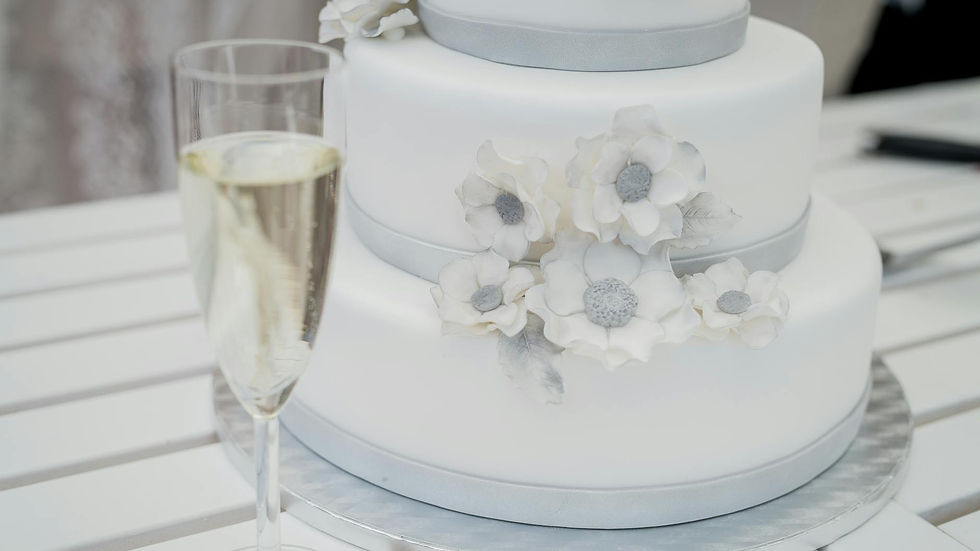
The decoration process is where the magician in the baker comes to life. Each cake is a canvas, and the possibilities are endless. From simple buttercream finishes to intricate fondant designs, every detail matters.
Frosting Fundamentals
Frosting is not only a tasty addition but also a critical part of the cake’s appearance. The baker must choose the right type of frosting for each cake:
Buttercream: Smooth and versatile, perfect for a classic finish.
Fondant: Ideal for sleek, polished designs and intricate decorations.
Ganache: Great for a luxurious, rich texture, often used for drizzles or coatings.
The frosting is applied with attention to detail. A reliable technique is essential, often utilizing piping bags for decorative elements and a palate knife for smooth finishes.
Adding Personal Touches
As the cake decoration progresses, personal touches elevate each creation. This may include:
Edible glitter and decorations to bring sparkle.
Fresh flowers for a natural touch.
Personalized messages or cake toppers to make each cake unique.
Each of these components requires careful application to ensure the final product is cohesive and aesthetically pleasing. The creativity flows, and it’s often during this phase that the baker feels most connected to their craft.
Quality Control: The Finishing Touches
Before a cake leaves the kitchen, it undergoes a final quality control check. This mid-day ritual stays in tune with the baker’s commitment to excellence:
Visual Inspection: Each cake is examined for imperfections, color balance, and overall appearance.
Taste Test: A small taste ensures that flavor profiles are as expected. After all, a great-looking cake must also taste amazing!
Packaging: Presentation Matters
After the cakes are complete and deemed perfect, it's time for packaging. An appealing presentation ensures that each cake arrives in pristine condition and with a touch of charm:
Sturdy Cake Boxes: Essential for transport, offering protection and keeping the cakes safe.
Decorative Wraps: Adding elegance to the package, enhancing the overall unboxing experience.
Business Cards: Including a business card or a thank-you note builds connections with customers and encourages referrals.
Customer Interactions: The Human Element
A significant part of being a custom cake baker involves interaction with clients. Whether through phone calls, emails, or personal consultations, understanding each client’s vision is vital. Here’s how customer interactions typically flow:
Consultations
For custom orders, an initial consultation is necessary. This step helps the baker grasp the desired design and flavors. Clients often share personal stories, celebrations, or themes they want to incorporate. Taking notes and discussing options builds rapport and sets clear expectations.
Order Updates
Throughout the process, keeping the client informed is essential. Sending updates, progress photos, or even small messages of excitement shows dedication and professionalism. A baker who engages their customers builds lasting relationships that result in repeat business.
Delivering Delight
When the time comes to deliver the cakes, it’s a moment filled with anticipation. Delivering a cake to a customer is often just as rewarding as baking it. The joy on their faces as they see a creation come to life makes all the hard work worth it.
End of Day: Reflecting and Planning Ahead
As the day winds down, a custom cake baker takes time to reflect on the day’s achievements and challenges. This period of introspection is essential for personal and professional growth:
Reviewing Orders: Analyzing completed orders and identifying areas for improvement helps to enhance quality.
Planning Ahead: Looking ahead to upcoming orders ensures that the kitchen is ready for another busy day.
Feedback Loop: Engaging with clients to receive feedback can provide invaluable insights and help refine techniques.
Sweetening Lives, One Cake at a Time
A day in the life of a custom cake baker is more than just mixing batter and frosting cakes; it's a blend of artistry, precision, and heartfelt connections with clients. Every cake tells a story, celebrating life's significant moments, from birthdays to weddings and everything in between. This delicious journey exemplifies passion, creativity, and a commitment to creating something truly special.
By sharing this behind-the-scenes look, we hope that you gained insight into the complexities and joys of being a custom cake baker. It’s a labor of love that manifests in beautiful creations and lasting memories. The next time you bite into a slice of cake, remember the heart that went into its creation. Here’s to the sweet moments and the artisans who create them!
FAQs
What time does a custom cake baker typically start their day?
A custom cake baker typically starts their day at around 5:00 AM.
What are some key preparations a baker does before baking?
Key preparations include gathering ingredients, preparing tools and equipment, and designing cakes according to client specifications.
What is involved in the decoration process of a custom cake?
The decoration process involves frosting the cake, adding personal touches like edible glitter or fresh flowers, and ensuring every detail is cohesive and visually appealing.
How does a custom cake baker ensure the quality of their cakes?
Bakers perform a visual inspection for imperfections and conduct taste tests to ensure the flavor profiles are as expected.
What is the importance of customer interactions in custom cake baking?
Customer interactions are vital for understanding client visions, providing updates, and building relationships that lead to repeat business.
Comments