
Cultural Influences on Cake Design Around the World
- Petko Vodenicharov

- Mar 1
- 5 min read

Overview
Cakes reflect cultural traditions and artistic expressions worldwide, with unique designs influenced by regional ingredients and beliefs. From elegant European wedding cakes to colorful Asian confections, rich African desserts, innovative North American treats, and festive South American flavors, each cake tells a story. Technology has also enhanced cake design, allowing for personalization and intricate decorations. Ultimately, cake design is a celebration of culture, joy, and creativity, connecting people through shared sweet moments.
Contents
Cakes have long been a symbol of celebration, each with a unique flair influenced by cultural traditions, local ingredients, and artistic expressions. The design and decoration of cakes vary greatly around the world, embodying the history and beliefs of different cultures. In this article, we will explore significant cultural influences on cake design from various regions and how they shape the artwork of confectionery, allowing us to appreciate the stories behind every bite.
The Art of Cake: A Global Perspective
Cake making is both an art and a tradition that varies from nation to nation. While some cultures favor extravagant designs adorned with fondant and intricate piping, others lean towards simplicity that highlights natural flavors. Here is a look into how different regions impact cake design:
1. Europe: Elegance and Tradition
European cake designs often reflect centuries of baking tradition complemented by seasonal ingredients. From the classic wedding cakes of the United Kingdom to the rich tortes of Germany, the continent's designs speak of sophistication and style.
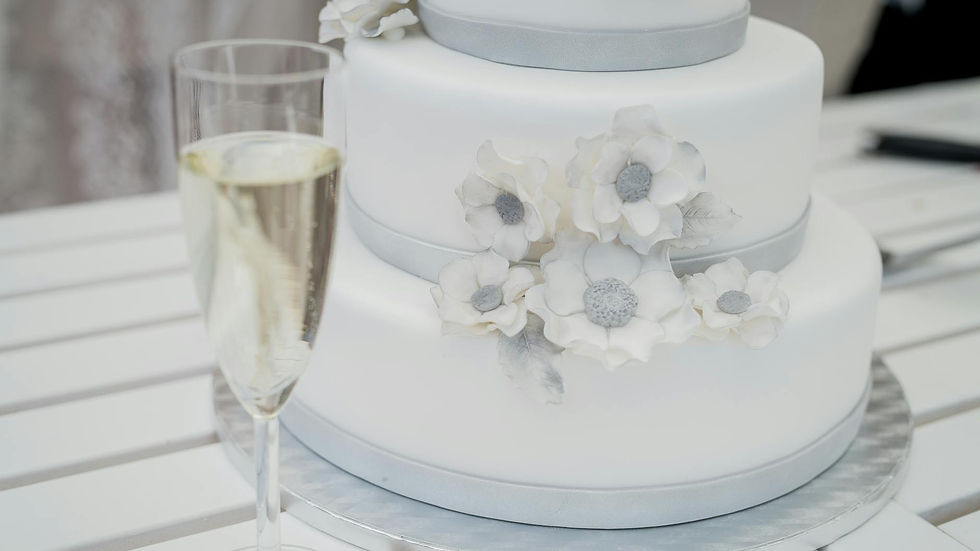
British Cakes: The traditional tiered wedding cake, often white, adorned with fondant, symbolizes purity and prosperity. Cakes are commonly decorated with intricate flowers made from sugar paste.
Italian Pastiera: In Italy, cakes are often infused with regional traditions, like the Easter Pastiera from Naples, showcasing a rich blend of flavors, nuts, and citrus.
French Elegance: French pastries like the Croquembouche are a stunning tower of cream-filled dough, often decorated with spun sugar, emphasizing fine craftsmanship and eye-catching presentation.
2. Asia: Colorful and Symbolic Designs
Asian cake design is often embellished with vivid colors and unique representations, reflecting diverse religious and cultural beliefs.
Japanese Wagashi: These are traditional sweets that often come in the form of beautifully shaped and colored cakes made with rice flour and bean paste. Their designs celebrate the seasons and nature, showcasing delicate craftsmanship.
Chinese Wedding Cakes: These cakes are typically round, symbolizing unity and completeness. Decorated with symbols of prosperity and happiness, they are often presented as gifts during wedding ceremonies.
Korean Baekseolgi: A fluffy and soft steamed cake, often dyed a vibrant yellow. It symbolizes good fortune; the cake is often decorated with flower patterns or other colorful designs.
3. Africa: Rich Flavors and Textures
African cake designs often celebrate community and joy, showcasing both local ingredients and the spirit of celebration common in many cultures across the continent.
Nigerian Chin Chin: A crunchy, fried dough snack often likened to cake, highlighting a flavorful and festive touch during celebrations, sometimes decorated with powdered sugar for added sweetness.
South African Milk Tart: This traditional dessert features a creamy filling atop a crisp pastry base, often garnished with cinnamon or powdered sugar, a perfect blend of flavors and textures.
Ghanaian Chocolate Cake: Chocolate cake is prevalent, often stacked high with a rich ganache frosting. Designers might incorporate local flavors such as coconut or spices for a unique twist.
4. North America: Fusion and Innovation
North America is a patchwork of culinary influences, with cake design evolving from traditional recipes to innovative, personalized creations.
American Birthday Cakes: Layer cakes adorned with vibrant icing and fun themes are a festive staple in celebration. The madness of colors and decorations can make every cake a masterpiece that reflects personal stories.
Mexican Tres Leches Cake: This cake is soaked in three different types of milk, creating a moist and flavorful dessert. Topped with whipped cream and fruits, it embraces the culture's passion for rich flavors.
Canadian Butter Tarts: While not a traditional cake, these sweet delicacies are often incorporated into cake designs to celebrate Canadian heritage, providing a rich, gooey texture that enhances any festive table.
5. South America: Celebration and Color
Cake design in South America is synonymous with vibrant colors and festive flavors, often integrating fruits and spices that are abundant in the region.
Brazilian Brigadeiro Cake: A blend of chocolate cake topped with brigadeiros, a fudgy chocolate truffle made from condensed milk, is a popular dessert that embodies Brazilian celebration.
Argentinian Alfajores: While these are a sandwich-style cookie, they are often included in cake displays during events, showcasing the delightful combination of dulce de leche with chocolate or coconut.
Colombian Tres Leches: Similar to its Mexican counterpart, this rich, milky cake features tropical flavors and is often embellished with fruits and whipped cream for added flair.
6. The Impact of Technology on Cake Design
In recent years, technology has transformed cake design, allowing for more intricate and creative expressions. 3D printing and edible ink take cake decoration to new heights, providing opportunities for personalization like never before.
3D Printing: Cake designers are now using technology to create not just shapes but also customized figures that reflect the individuals involved in the celebration.
Online Communities: Platforms and social media have increased global interactions among bakers, allowing for cross-cultural inspiration, sharing techniques and trends that amplify the art of cake design.
Food Safety Advancements: Improved food safety technology enables bakers to experiment with new ingredients and flavors, pushing culinary boundaries while ensuring the end product remains safe for consumption.
Cake Design as Cultural Expression
Cake design is not merely about combining flavors and skills; it is a powerful expression of culture and identity. From grand weddings to intimate celebrations, each cake tells a story woven through generations. The cakes we create today continue the legacy of blending traditions while embracing new techniques and ingredients from around the globe. This unique art form is a reminder of the joy and love that accompany these sweet celebrations.
Let The World Taste the Stories!
As we journey through various cultural influences on cake design, we discover a tapestry of flavors and artistry that reflects the spirit of the people behind each creation. Next time you slice into a cake, take a moment to appreciate the traditions, stories, and creativity that transform a simple dessert into a work of art. Whether it’s the intricacy of design or the burst of flavors, cakes have the power to connect us all, celebrating our differences and the shared joy of life's sweetest moments.
FAQs
What are the main cultural influences on cake design?
Cultural influences on cake design include traditions, local ingredients, and artistic expressions that vary from region to region.
How do European cakes differ in design?
European cakes often reflect centuries of baking tradition, with sophisticated designs, such as tiered wedding cakes and rich tortes, that highlight seasonal ingredients.
What is a traditional Japanese cake and what does it symbolize?
The traditional Japanese Wagashi is made with rice flour and bean paste, celebrating nature and the seasons through its delicate craftsmanship.
How does technology impact modern cake design?
Technology has transformed cake design by enabling intricate and creative expressions, including the use of 3D printing and edible ink for personalized creations.
What role does cake design play in cultural expression?
Cake design serves as a powerful expression of culture and identity, telling stories and celebrating traditions through the artistry of baking.
Comments