
The Psychology of Cake: Why We Love to Celebrate with Sweets
- Petko Vodenicharov

- Mar 16
- 6 min read

Overview
Cake holds a significant role in celebrations due to its emotional connections, biological cravings for sugar, and cultural traditions. It evokes nostalgia, provides comfort, and enhances social experiences. The aesthetics of cake also play a crucial part in enjoyment, while mindful eating can deepen the experience. Creative ways to celebrate with cake include themed parties and virtual gatherings. Ultimately, cake symbolizes joy, unity, and the sweet moments in life.
Contents
Cake has held a special place in human culture for centuries, serving as a centerpiece for celebrations and gatherings. Whether it's a birthday, wedding, or holiday, the sight of a beautifully decorated cake often elicits joy and anticipation. But what is it about cake, and sweets in general, that makes them so integral to our celebrations? In this blog post, we'll dive into the psychology behind our love for cakes and sweets, explore the cultural significance of these treats, and provide insights into why we often find comfort and happiness in sugary delights.
The Emotional Connection to Sweets
One of the primary reasons we love to celebrate with sweets is their emotional significance. Cakes and desserts often evoke strong memories and sentiments, reminding us of cherished moments from our past. Here are a few reasons why sweets trigger emotional connections:
Childhood Memories: Many people associate cakes with childhood celebrations, from birthday parties to family gatherings. The taste and smell of cake often transport us back to those joyous occasions, creating a sense of nostalgia.
Comfort and Reward: Sweet treats are often used as a form of comfort. We may indulge in cake during difficult times, connecting the act of eating sweets with self-care and reward.
Shared Experiences: Cakes are often enjoyed in social settings, which means they are tied to interactions, laughter, and shared joy. This communal aspect of enjoying sweets amplifies our affection for them.
The Biological Basis for Craving Sweets
Our love for sweets isn't merely a psychological phenomenon; there’s also a biological component to consider. From a young age, humans are naturally inclined to crave sugary foods due to several reasons:
Energy Source: Sugary foods provide a quick source of energy. Our brains specifically crave glucose, which is derived from carbohydrates. Cake and other sweet treats often contain high levels of sugar, making them an appealing option when we need an energy boost.
Dopamine Release: Consuming sugar triggers the release of dopamine, a neurotransmitter that plays a crucial role in our brain's reward system. This chemical release leads to feelings of pleasure, reinforcing the desire for sweet foods.
Evolutionary Advantages: Early humans had a natural preference for sweeter foods because they were often safer and calorie-dense, providing an evolutionary advantage in terms of survival and energy needs.
Cultural Significance of Cakes
The role of cake in our celebrations transcends individual preferences; it's deeply rooted in cultural traditions. Different cultures around the world celebrate major life events with unique types of cakes, reflecting the diversity of human experiences. Let's explore some cultural perspectives on cake:
Birthdays
In many cultures, birthday cakes symbolize the individual's growth and the celebration of life's milestones. The tradition of blowing out candles on a cake and making a wish is thought to bring luck and serve as a symbolic way to celebrate the passing of another year. The cake itself often becomes a metaphor for life’s sweetness, shared with friends and family to commemorate the occasion.
Weddings
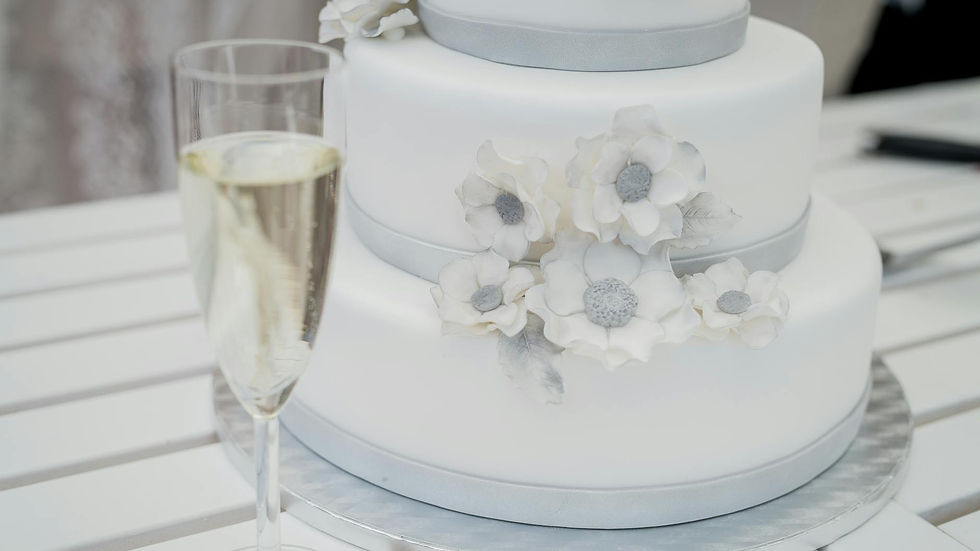
Wedding cakes hold immense cultural significance, often symbolizing fertility and prosperity. Traditionally, the cutting of the cake is a ritualistic event that represents the couple’s first task together. The act of sharing cake among guests signifies unity and the sweetness of marital life ahead. Different cultures showcase elaborate cake designs, ranging from tiered cakes to symbolic cake flavors, adding a personal touch to the festivities.
Holidays
Many holidays feature specific festive cakes that evoke camaraderie and joy. For instance, Christmas cake, Easter cake, and New Year’s cake are all part of traditions surrounding each celebration. These sweet delights often signify renewal, festive cheer, and togetherness, bringing communities together during the holiday season.
The Aesthetics of Cake: Visual Appeal and Its Effects
Beyond taste and cultural significance, the visual appearance of cakes plays a vital role in how we perceive and enjoy them. Humans are inherently drawn to aesthetically pleasing food, and cakes are no exception. The colors, designs, and presentation of a cake can enhance our overall experience in several ways:
First Impressions: The initial visual encounter with a cake greatly influences our desire to taste it. Vibrantly colored frosting, elegant decorations, and intricate designs can elicit excitement and a sense of anticipation.
Social Media and Sharing: In today’s digital age, cakes have become a focal point in social media posts. Beautifully crafted cakes are often shared and celebrated online, fostering a desire to recreate similar experiences at home.
Aesthetic Enjoyment: Enjoying food with our eyes can amplify the pleasurable experience of eating. The combination of art and food in cake design not only pleases our palate but also provides visual satisfaction.
Mindful Eating: The Experience of Indulging in Cake
In a world that often promotes fast-paced lifestyles, the art of mindful eating has gained traction. Celebrating with cake offers a wonderful opportunity to practice mindfulness. Taking the time to appreciate the flavors, textures, and emotions associated with indulging in cake can be a fulfilling experience. Here are a few tips for incorporating mindfulness while enjoying cake:
Savor Each Bite: Focus on the distinct flavors and textures of the cake. Allow yourself to genuinely enjoy the experience rather than rushing through it.
Limit Distractions: Set aside time to enjoy your cake without distractions from screens or work. This dedicated time can enhance your enjoyment and connection to the treat.
Reflect on Emotions: Consider how the cake makes you feel, both emotionally and physically. Acknowledging these feelings can create a deeper connection to the experience.
Creative Ways to Celebrate with Cake
While traditional celebrations involving cake are delightful, there are numerous creative ways to incorporate cake into your special moments. Here are some innovative ideas that can add fun and excitement to your cake celebrations:
Themed Cake Parties: Host a themed cake party where guests can decorate their own mini-cakes. This not only fosters creativity but also allows everyone to personalize their cake experience.
Cake Tasting Events: Organize a cake tasting event where different cake flavors and styles can be sampled. This is a fantastic way to explore diverse options and discover new favorites.
Virtual Celebrations: In a time of increased virtual interaction, you can celebrate with friends and family by hosting a virtual cake party, where everyone enjoys their own slice while connecting over video calls.
Unlocking the Power of Sweet Memories
As we wrap up our journey exploring the psychology of cake and why we love to celebrate with sweets, it's essential to recognize that cake represents much more than just a dessert. It encapsulates emotions, traditions, and connections that shape our experiences. From the nostalgic memories associated with our favorite flavors to the community bonds formed during celebrations, cakes serve as a symbol of joy, unity, and happiness.
As you plan your next celebration, remember to embrace the sweet moments—both in taste and in the shared experiences they bring. Cake isn't just something we eat; it’s a representation of life’s festivities, a canvas for creativity, and an invitation to connect with others. So go ahead, savor that slice of cake and relish the emotions it brings. Your next celebration is just around the corner, and with it, a new sweet memory waiting to be created!
FAQs
Why do we associate cake with celebrations?
Cake has a special place in human culture as it evokes strong memories of joy and togetherness, often associated with childhood celebrations, comfort, and shared experiences.
What is the psychological connection to sweets?
Sweets trigger emotional connections due to their association with positive memories, their use as comfort food during difficult times, and their communal aspect during social gatherings.
Is there a biological reason behind our craving for sweets?
Yes, the craving for sweets has biological roots, as sugary foods provide quick energy, release dopamine in the brain, and have evolutionary advantages related to survival.
What cultural significance do cakes hold?
Cakes are tied to various cultural traditions, symbolizing milestones in life such as birthdays and weddings, and enhancing the communal spirit during holidays.
How can we incorporate mindfulness while enjoying cake?
Mindful eating practices include savoring each bite, limiting distractions during consumption, and reflecting on the emotions evoked by the cake to enhance enjoyment.
Comments